

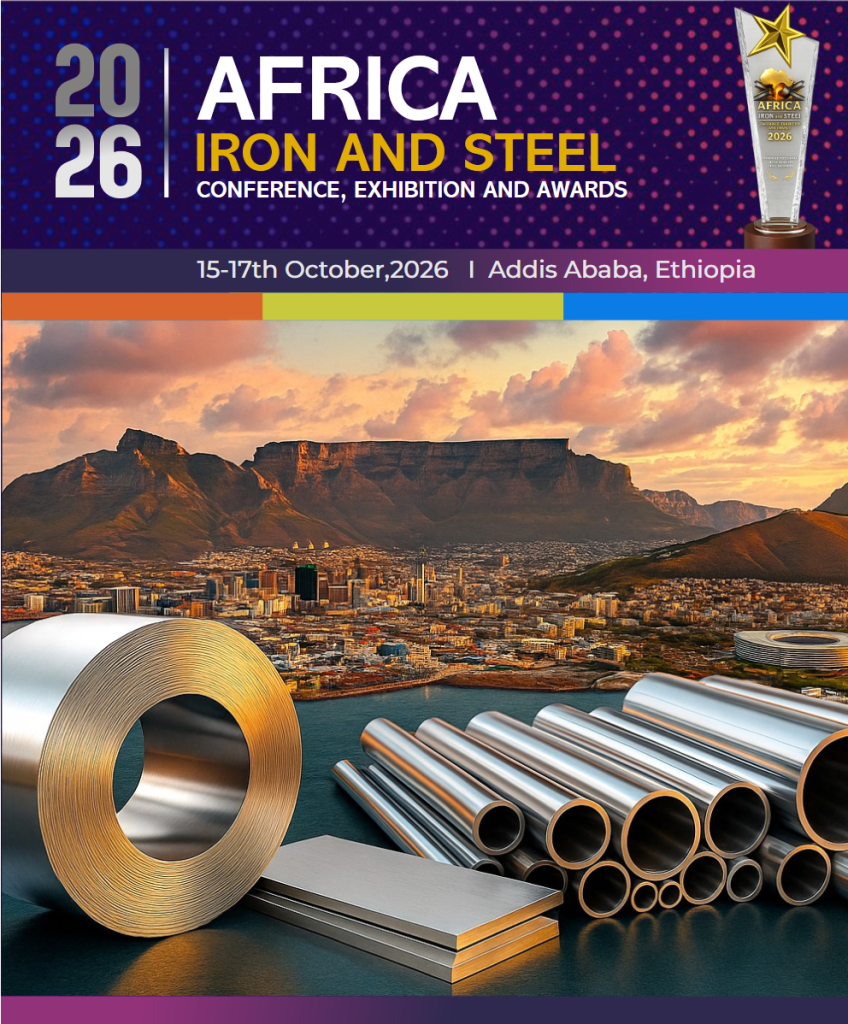
Africa holds vast reserves of iron ore and other base metals, yet the continent remains largely positioned at the lower end of the global iron and steel value chain. While Africa supplies raw materials to global markets, limited beneficiation, weak industrial linkages, and inadequate regional coordination continue to constrain the development of a competitive and integrated iron and steel industry.
The African Iron and Steel Conference, Exhibition & Awards 2026 is conceived as a continental platform to address these structural challenges by promoting value addition, industrialisation, technology transfer, and regional integration in line with the African Mining Vision (AMV), Agenda 2063, and the objectives of the African Continental Free Trade Area (AfCFTA).
The Conference seeks partnership with the African Union to support coordinated action among Member States, industry actors, and development partners to reposition Africa as a producer of iron, steel, and related knowledge-based industrial services, rather than a primary exporter of raw resources.
Continental Context and Strategic Alignment
The development of Africa’s iron and steel industry is central to achieving structural transformation, infrastructure development, and industrial competitiveness across the continent. As highlighted in the Africa Chamber of Iron and Steel Industry framework, a strong iron and steel sector underpins:
- Manufacturing and industrial development
- Infrastructure delivery (transport, energy, housing)
- Employment creation and skills development
- Intra-African trade and regional value chains
The Conference aligns with the African Mining Vision’s emphasis on integrating mineral development into broader economic and industrial policies, and with Agenda 2063’s aspiration for an industrialised, self-reliant Africa supported by strong continental institutions and partnerships.
Problem Statement
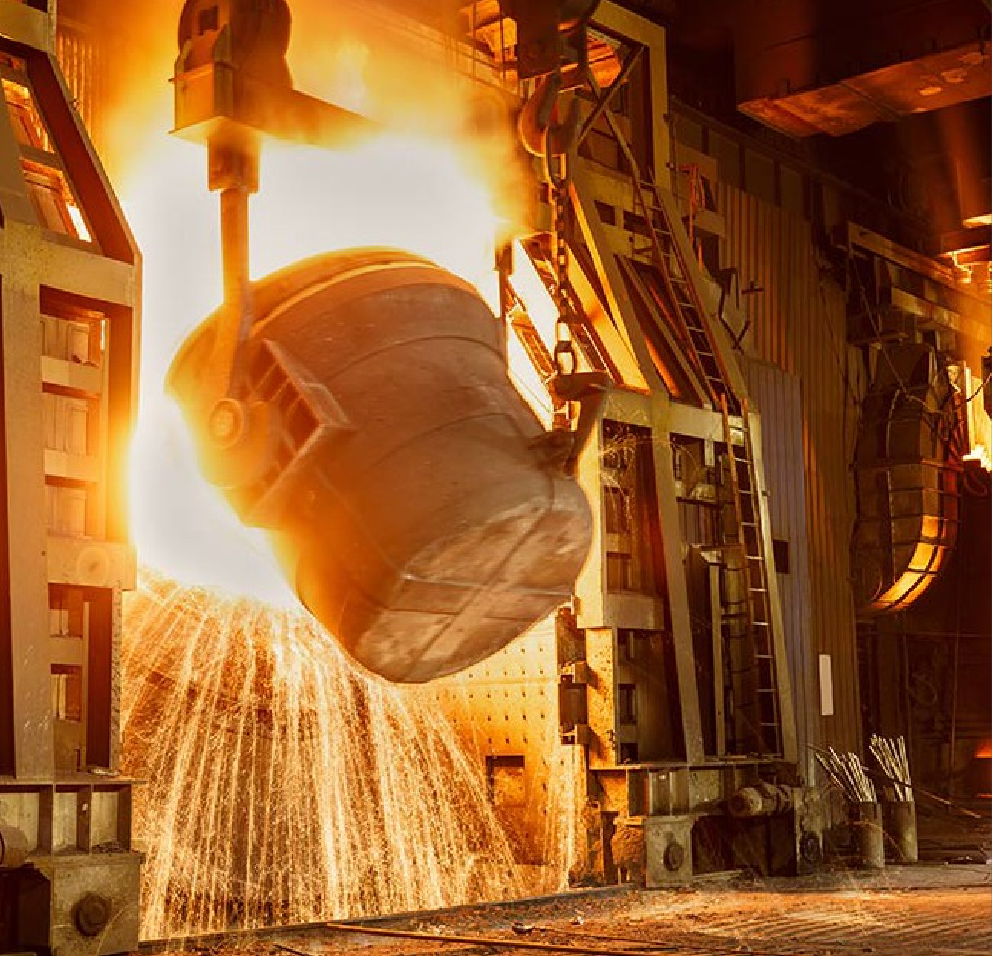
Despite Africa’s resource endowment, the iron and steel sector faces persistent and interrelated challenges, including:
- High cost and limited availability of power, which significantly affects steel production costs
- Fragmented and underdeveloped iron and steel value chains across countries
- Limited domestic beneficiation and downstream manufacturing
- Dependence on imported steel products despite local raw material availability
- Weak regional coordination and economies of scale
- Emerging global pressures such as green steel, decarbonisation, and climate compliance
- Inadequate skills development, research capacity, and technology transfer
These challenges hinder Africa’s ability to industrialise its mineral resources for sustainable economic gain and inclusive development, contrary to the objectives of the AMV .
4. Rationale for the Conference and African Union Partnership
The Africa Chamber of Iron and Steel Industry document underscores the importance of continental coordination, policy advocacy, and public-private collaboration in developing a viable iron and steel industry in Africa. Addressing these issues requires leadership at the continental level.
Partnership with the African Union is therefore critical to:
- Promote harmonised policies across Member States
- Support regional value chains and cross-border industrial projects
- Strengthen Africa-wide platforms for dialogue, advocacy, and investment mobilisation
- Align iron and steel development with AMV, AfCFTA, and Agenda 2063 priorities
- Provide a unified African voice on global steel, energy, and green transition issues.
5. Objectives of the Conference
The Conference aims to:
- Provide a high-level continental platform for dialogue on iron and steel development in Africa.
- Address key constraints, particularly energy cost, infrastructure, and policy fragmentation.
- Promote value addition, beneficiation, and industrialisation of iron ore and base metals.
- Examine opportunities for green steel and low-carbon production in Africa.
- Encourage investment in iron and steel manufacturing, logistics, and enabling infrastructure.
- Strengthen regional cooperation and intra-African trade in iron and steel products.
- Support skills development, research, and technology transfer.
- Recognise excellence and innovation through the African Iron and Steel Awards.
6. Key Areas
- Iron Ore Development and Beneficiation in Africa
- Energy Solutions for Competitive Steel Production
- Green Steel, Decarbonisation, and ESG Compliance
- Industrialisation, Manufacturing, and Local Content
- Regional Value Chains and AfCFTA Opportunities
- Financing Africa’s Iron and Steel Industry
- Skills Development, Innovation, and Knowledge-Based Services
- Policy Harmonisation and Institutional Strengthening
7. Expected Outcomes
The Conference is expected to deliver:
- Actionable policy and investment recommendations aligned with the AMV
- Strengthened collaboration among African Union organs, Member States, and industry
- Increased awareness of sustainable and green steel pathways for Africa
- Enhanced commitment to value addition and industrial development
- New partnerships and investment pipelines for iron and steel projects
- A basis for sustained continental engagement on iron and steel development.
8. Target Participants
- African Union organs and specialised institutions
- AU Member States and Regional Economic Communities
- Iron ore, steel, and manufacturing companies
- Energy and infrastructure providers
- Financial institutions and development partners
- Research institutions, academia, and industry associations
9. Conclusion
The African Iron and Steel Conference, Exhibition & Awards 2026 represents a strategic opportunity to advance Africa’s industrial transformation by leveraging iron ore and steel as drivers of manufacturing, innovation, and sustainable growth. Through partnership with the African Union, the Conference will contribute meaningfully to the realisation of the African Mining Vision and support Africa’s emergence as a competitive and resilient player in the global iron and steel value chain.